


Our brands

The brands we represent

Three manufacturers, three different problems in rehabilitation: objective measurement, high-frequency therapy and functional hand recovery. All information on this page is taken from the manufacturers’ public websites.

Garbagnate Milanese, Italy · btsbioengineering.com

An Italian manufacturer of human motion analysis systems. The portfolio ranges from wearable inertial sensors that work in a clinic corridor to a complete laboratory for multifactorial gait analysis. The common thread: turning movement into a number that can be tracked over time.

Who it’s for

Physical medicine and rehabilitation departments, neurorehabilitation, orthopaedics and traumatology, paediatric rehabilitation (cerebral palsy), ergonomics and occupational medicine, sports labs and kinesiology faculties.

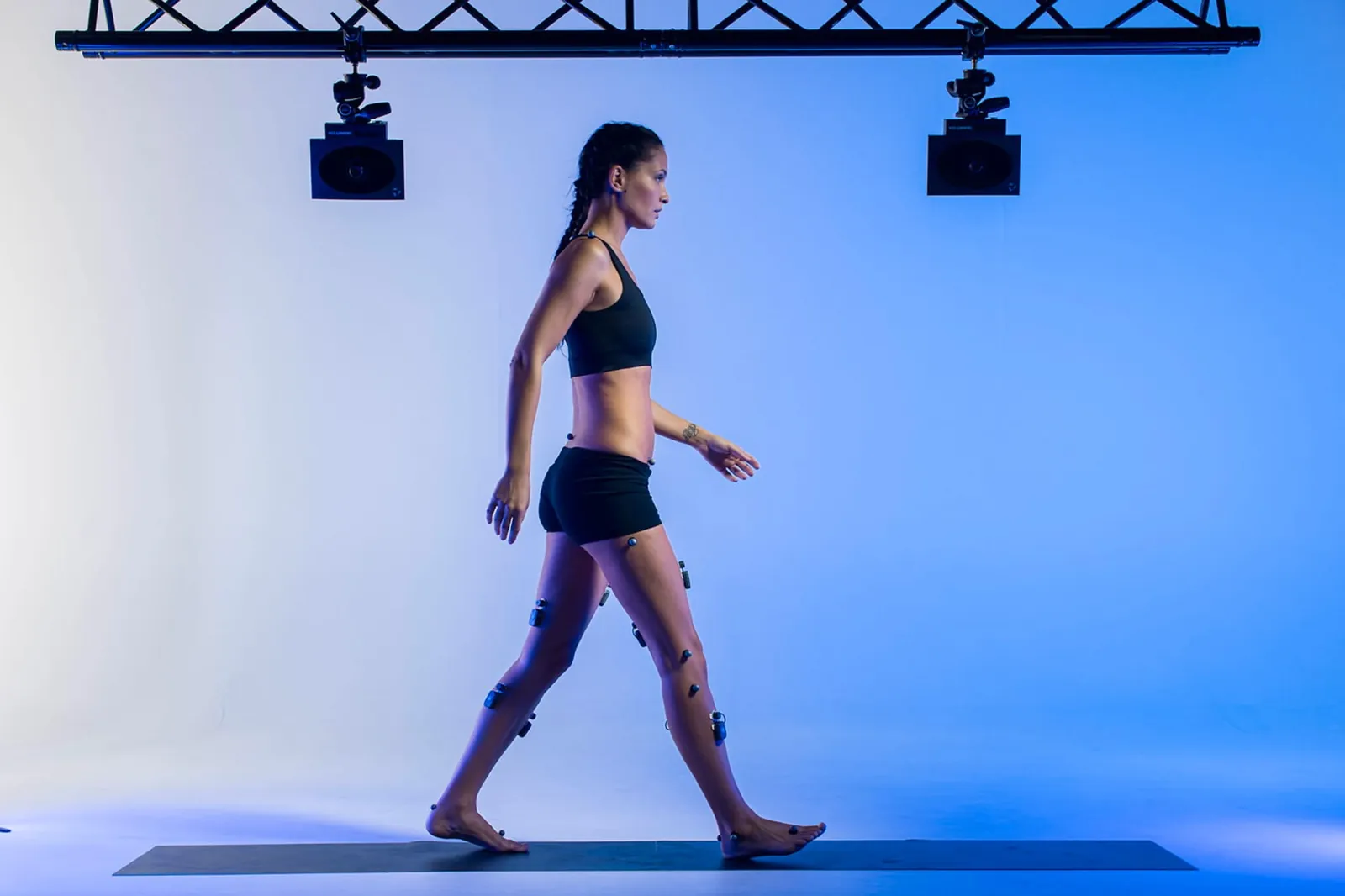
Gait analysis with reflective markers and wireless EMG probes

Wearable sensor

G-WALK / G-SENSOR

An ultra-compact inertial sensor, fitted in seconds with an ergonomic belt and connected via Bluetooth. During the test, the Baiobit software captures data in real time, generates an automatic clinical report and provides audio and visual biofeedback. Historical trend comparisons show how motor function develops over time.
Surface EMG

FREEEMG

Wireless surface electromyography with up to 20 variable-geometry probes weighing 13 g each, and more than 6 hours of continuous acquisition. No cables means no restriction of movement. The H2O version is waterproof to a depth of 3 metres (IP68) for measurements in the pool.

Laboratory

BTS GAITLAB / FREELAB

A complete laboratory for multifactorial motion analysis, or an integrated EMG and inertial-sensor solution. For facilities doing clinical gait analysis, research and pre-operative planning.

Interactive room

NIRVANA

A sensory, interactive rehabilitation room. Floor and wall projections turn the space into a therapeutic environment for cognitive and motor rehabilitation, with no wearable equipment.

Telerehabilitation

BTS TELEREHAB

A platform for telerehabilitation and teleconsultation. Therapy continues at home, while the facility keeps track of performance and programme adherence.

Sport

G-SPORT / PODIUM / P-6000

The sports line: G-SPORT replaces subjective observation with measurable data on the field and supports return-to-play decisions, PODIUM is for biomechanical assessment, and P-6000 is a digital force platform.

CUREosity GmbH, Düsseldorf · cureosity.com

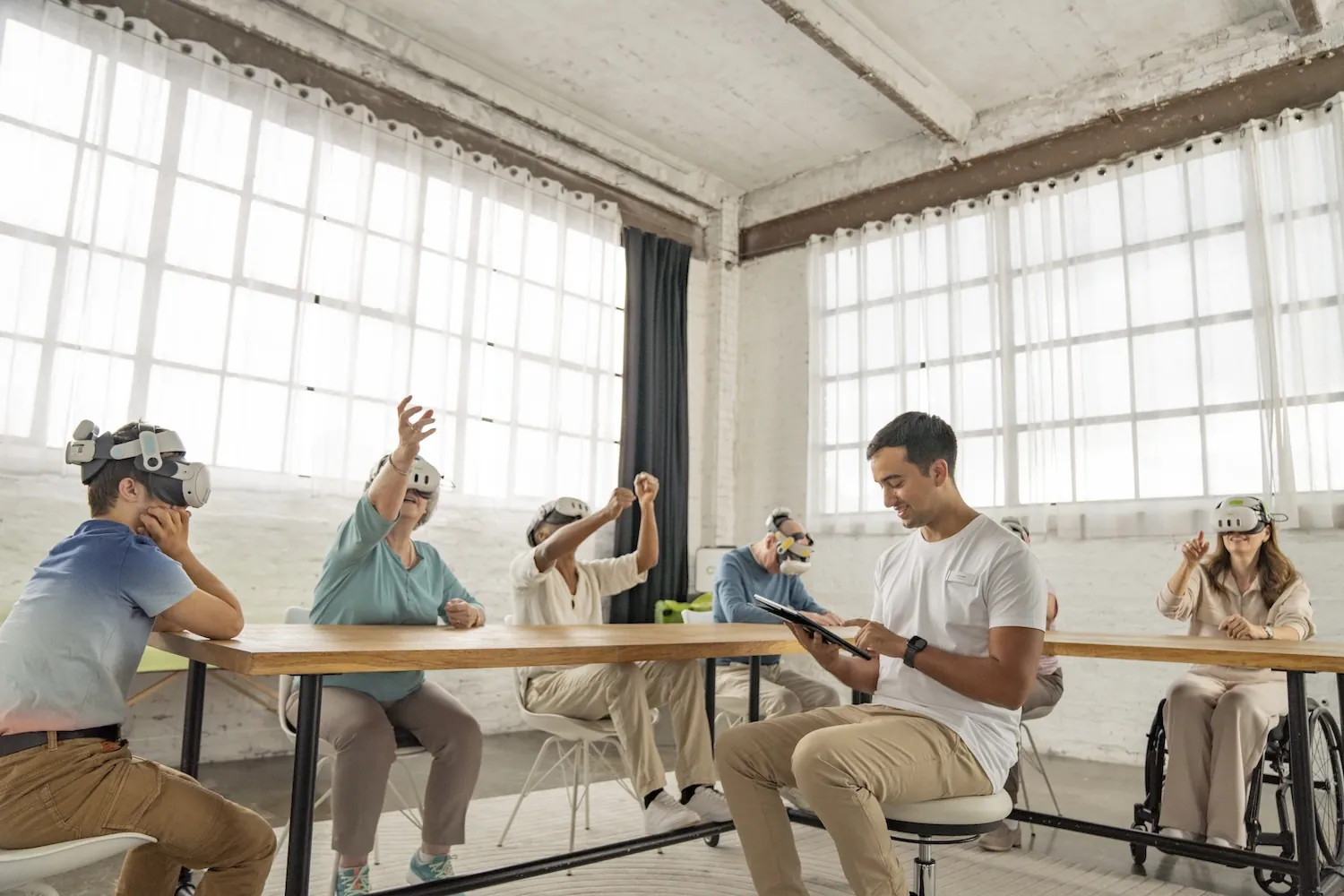
A certified VR therapy system for motor, sensory and cognitive functions. More than 50 interactive exercises are organised into seven modules, and the therapist runs the entire session from a tablet. The system is used in more than 300 clinics, rehabilitation centres and therapy practices. Diagnostic use is expressly excluded.

Who it’s for

Occupational therapy, physiotherapy and neuropsychology — patients with sensorimotor, cognitive and perceptual impairments, from acute and early rehabilitation to outpatient follow-up. Suitable at the bedside and in individual, group and parallel therapy.

Group VR therapy; the therapist runs the session from a tablet

Module

Moto

Sensorimotor skills and coordination.

Module

Hand

Hand function and fine motor skills.

Module

Cogni

Working and long-term memory.

Module

Active

Attention and perception.

Module

ADL

Planning and executive functions.

Module

Relax

Relaxation and breathing exercises.

Module

Activities

Motivating activities.

Delivery

Included

VR headset, tablet, controller, router, silicone cover for disinfection and a transport case.

Charlotte, NC, USA · saebo.com

A range of devices developed by clinicians and therapists for upper-limb recovery after stroke and other neurological conditions. The logic is simple: high-repetition grasp-and-release exercises build new connections in the brain and counteract atrophy and spasticity.

Who it’s for

Occupational therapists and physiotherapists in neurorehabilitation, and stroke survivors who continue exercising at home. The choice of device depends on muscle tone, so it is fitted and adjusted by a trained professional.

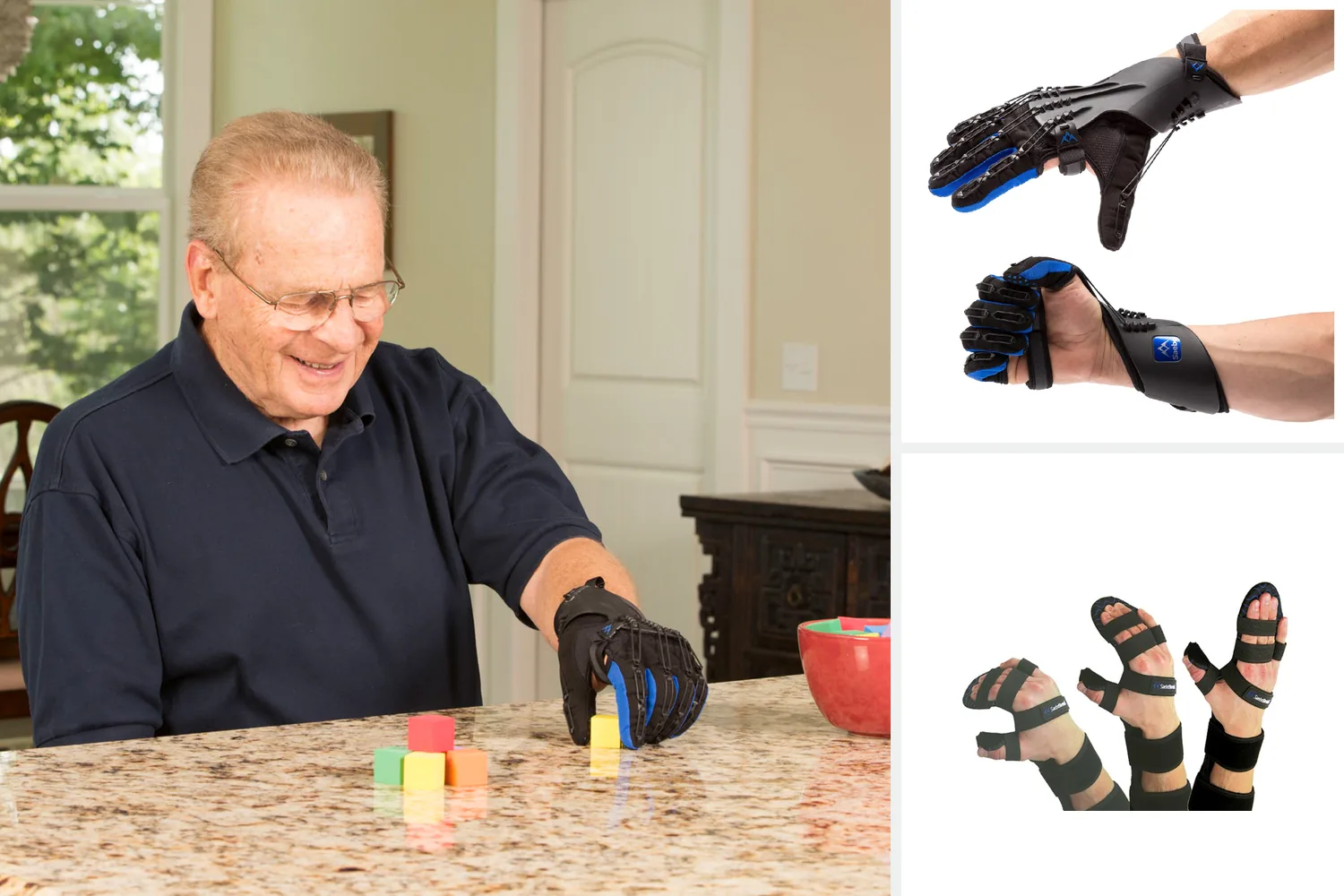
Saebo devices: a user practising grasping with the SaeboGlove, a SaeboGlove close-up and SaeboStretch orthoses

Dynamic orthosis

SaeboFlex

A high-profile dynamic orthosis made of rigid components. It positions the wrist and fingers in extension; the user voluntarily flexes the fingers to grasp an object, and a spring system helps reopen the hand. For moderate to severe spasticity.

Whole arm

SaeboReach

SaeboFlex with an additional above-elbow component that enables elbow extension. It brings the whole arm into functional exercise, in therapy and at home. Custom-fitted.

Low-profile orthosis

SaeboGlove

A low-profile orthosis made of soft fabric and semi-rigid components, for users without marked hypertonicity who have partial finger extension. Often the next step after SaeboFlex.

Arm support

SaeboMAS / MAS Mini

A mobile arm support that offsets the weight of the arm. It allows longer exercise with fewer breaks and more repetitions; the Mini version is for home use.

Which system for which problem

Clinical questionSolutionWho uses it
Has gait really improved since last month?BTS G-WALKPhysiatrist, physiotherapist
Does the patient activate the right muscle at the right moment?BTS FREEEMGPhysiotherapist, kinesiologist
How do we get more repetitions without tiring the therapist?CUREO VROccupational therapist, physiotherapist
How do we bring a spastic hand into functional exercise?Saebo Flex / GloveOccupational therapist
Is the athlete ready to return to play?BTS G-SPORTSports physician, coach

Manufacturer names and marks are the property of their respective owners.

Not sure what suits your department? We’ll come and measure with you.

Request a demo